Welcome to your generated study kit on Carbon, the fundamental component of life. This page is the central hub for all the content created from your document. Use the links in the sidebar to navigate to the different sections.
This document highlights the fundamental importance of carbon as the backbone of life's essential molecules, detailing its unique bonding capabilities and electron structure. It introduces key biological macromolecules and the role carbon plays in their formation.
Here are the top 5 key takeaways:
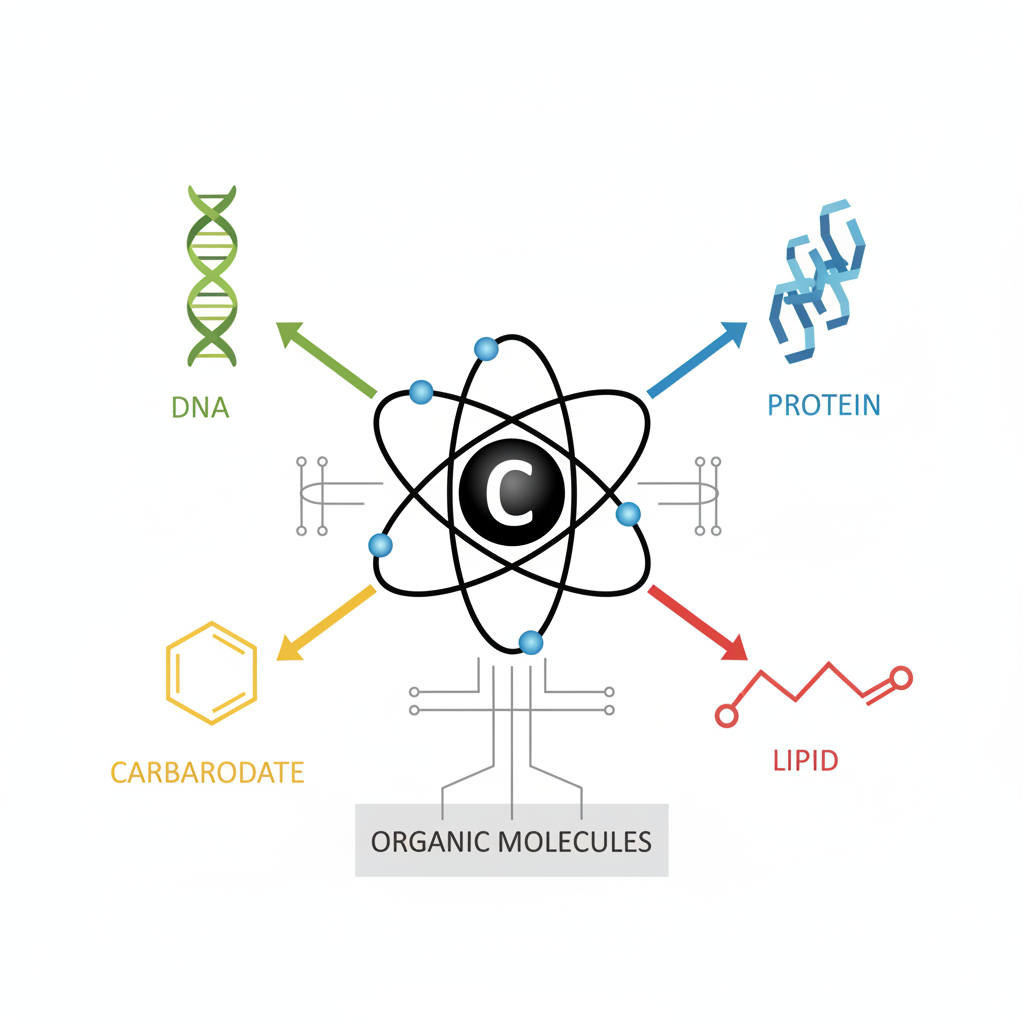
Carbon is the Building Block of Life: All essential biological macromolecules like proteins, DNA, carbohydrates, and lipids are based on carbon.
Versatile Bonding Power: Carbon atoms can form up to four covalent bonds, making them ideal for constructing complex and diverse molecular structures.
Core of Organic Molecules: Carbon is the fundamental component of all organic molecules, which are critical for life.
Achieving Stability: Carbon has four electrons in its outer shell, allowing it to form four covalent bonds to achieve a stable "octet" configuration.
Foundation for Macromolecules: This unique bonding ability makes carbon the "backbone" element for the large, complex molecules that comprise cells.
Related Videos to Explore
For the point: Carbon is the Building Block of Life: All essential biological macromolecules like proteins, DNA, carbohydrates, and lipids are based on carbon.
For the point: Versatile Bonding Power: Carbon atoms can form up to four covalent bonds, making them ideal for constructing complex and diverse molecular structures.
Understanding Carbon: The Foundation of Biological Molecules
This study guide provides a detailed explanation of why carbon is fundamental to life, focusing on its unique properties and its role in forming complex biological molecules.
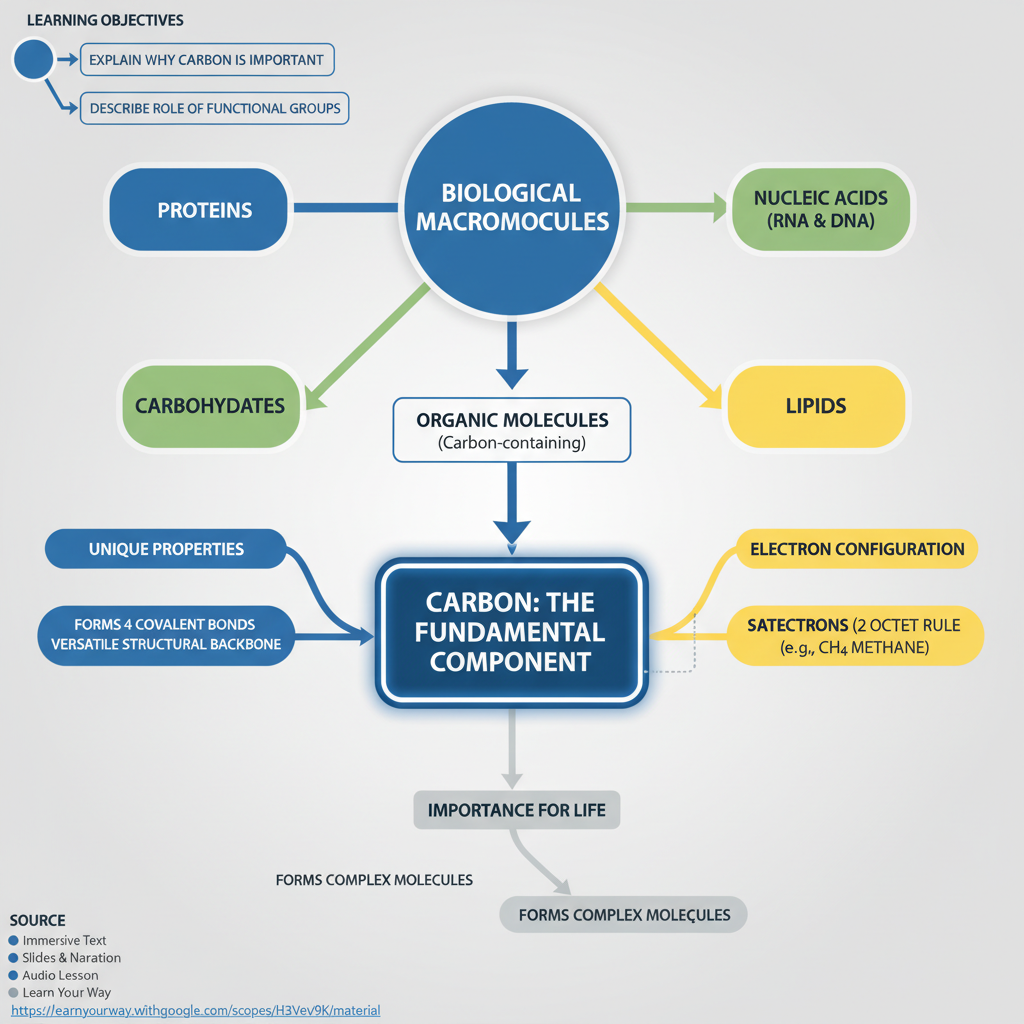
I. Learning Objectives
By studying this material, you should be able to:
Explain the critical importance of carbon for all forms of life.
Understand the basic concept of functional groups in biological molecules, although this document primarily focuses on carbon's structural role.
II. Carbon: The Essential Building Block of Life
The document emphasizes that carbon is the "fundamental component" for life, serving as the core element around which all major biological molecules are built.
A. Macromolecules: The Complex Molecules of Life
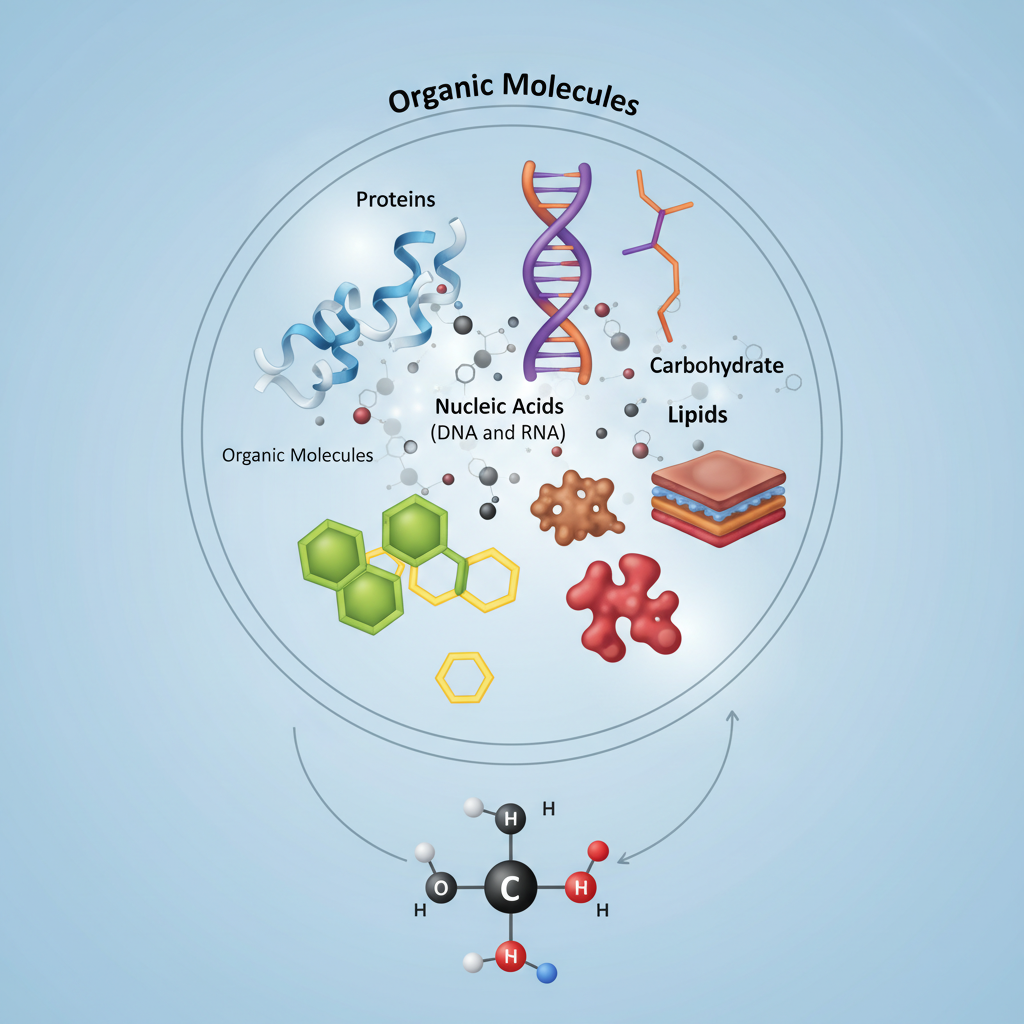
Cells are composed of many intricate molecules known as macromolecules. These are large, complex molecules that perform a vast array of functions vital for life.
Examples of Macromolecules:
Proteins: Essential for structure, function, and regulation of the body's tissues and organs.
Nucleic Acids (RNA and DNA): Carry genetic information and are central to heredity and protein synthesis.
Carbohydrates: Provide energy and structural support.
Lipids: Store energy, form cell membranes, and act as signaling molecules.
B. Organic Molecules: Carbon's Domain
Macromolecules are a specific subset of organic molecules. An organic molecule is broadly defined as any carbon-containing liquid, solid, or gas. The fact that macromolecules fall into this category underscores carbon's central role. These organic molecules are "especially important for life," signifying that carbon is not just present, but actively crucial in the chemistry of living systems.
III. The Unique Properties of Carbon Atoms
Carbon's ability to form the "backbone" of macromolecules stems from its distinctive atomic structure and bonding characteristics.
A. Electron Configuration and the Octet Rule
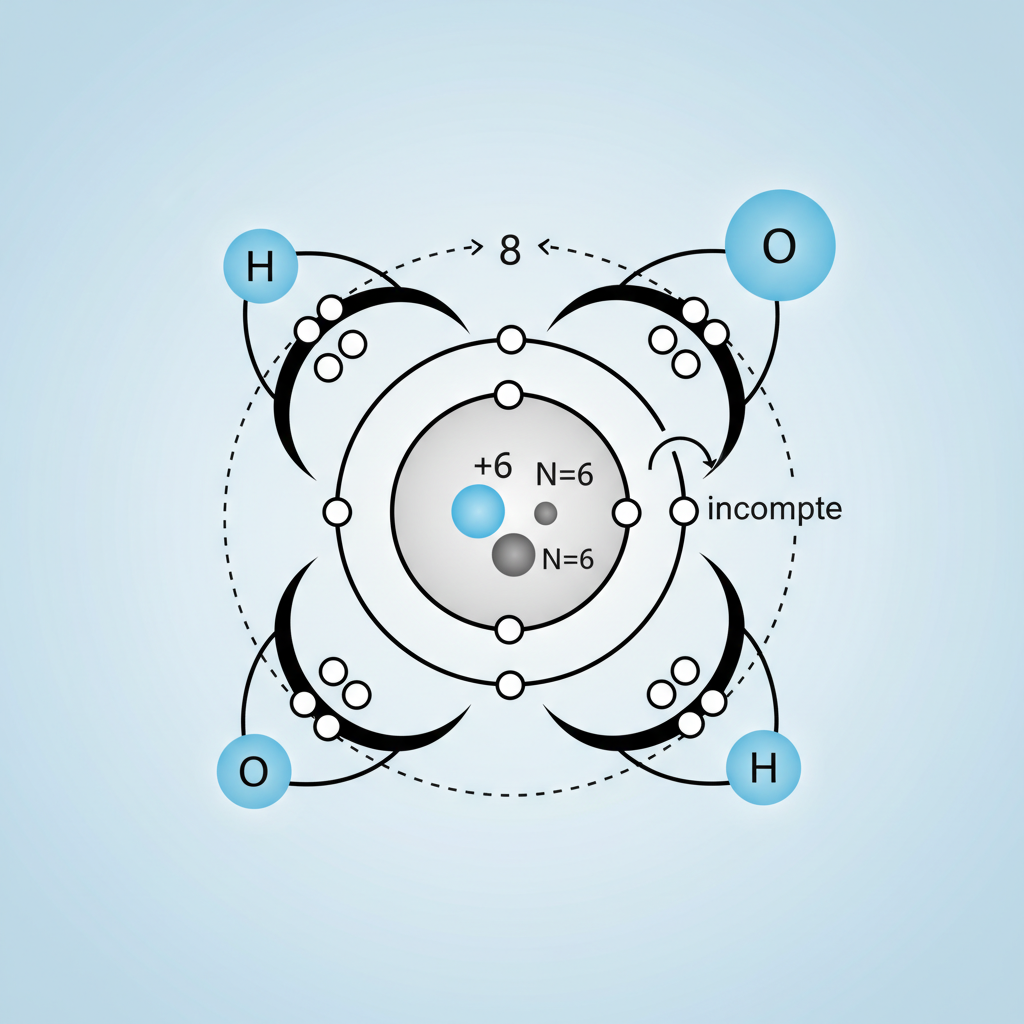
Atomic Number: Carbon has an atomic number of 6, meaning it has six electrons and six protons.
Electron Shells:
The first (innermost) electron shell holds two electrons.
The second (outermost) electron shell contains the remaining four electrons.
Incomplete Outer Shell: This leaves carbon with an incomplete outermost electron shell. To achieve stability, atoms strive to complete their outermost shell, often by having eight electrons (the "octet rule").
B. Versatile Covalent Bonding
Four Covalent Bonds: Because carbon has four electrons in its outer shell, it can form up to four covalent bonds with other atoms. A covalent bond involves the sharing of electron pairs between atoms.
Satisfying the Octet Rule: By sharing electrons in four covalent bonds, carbon atoms successfully achieve a stable outer shell with eight electrons, thereby satisfying the octet rule.
"Backbone" Element: This remarkable versatility makes carbon an ideal element to serve as the basic structural component, or "backbone," for the incredibly diverse and complex macromolecules found in living organisms.
C. Methane (CH4) as an Example
The methane molecule (CH4) perfectly illustrates carbon's bonding capability:
A central carbon atom is bonded to four hydrogen atoms.
Each hydrogen atom forms a single covalent bond with the carbon atom, sharing a pair of electrons.
This arrangement ensures that carbon's outermost shell is filled, making the molecule stable.
IV. Hydrocarbons
The document briefly mentions "Hydrocarbons." While not elaborated upon in this excerpt, hydrocarbons are organic compounds consisting entirely of hydrogen and carbon atoms. They form the basis of many fuels and play a significant role in understanding the structure and properties of more complex biological molecules.
Carbon's ability to form stable bonds is harnessed in advanced materials like graphene and carbon nanotubes, which are used in next-generation electronics, such as flexible circuits, organic light-emitting diodes (OLEDs) for displays and lighting, and organic photovoltaics (OPVs) for solar cells. These materials also enhance energy storage devices like lithium-ion batteries and supercapacitors, and are crucial in fuel cell construction.
Medicine
The stable carbon-carbon backbone is fundamental to pharmaceuticals, enabling the creation of metabolically stable synthetic drugs that can be taken less frequently, such as once a day. Furthermore, carbon nanomaterials like carbon nanotubes are being explored for targeted drug delivery, where they can carry therapeutic agents directly into cells, and for gene therapy, acting as carriers for genetic material. Hydrocarbons are also found in various medical products including oil supplements, vaccines, injections, pills, and anesthetics like halothane.
Engineering
Organic molecules serve as the building blocks for polymers, which are extensively used in plastics, fibers, coatings, and adhesives, integral to industries like packaging, construction, and automotive manufacturing. Carbon fiber, leveraging carbon's strong bonding capabilities, is a lightweight and high-strength material used in aerospace components, such as engine blades and aircraft structures, significantly improving performance.
Daily Life
Hydrocarbons, which are organic molecules primarily composed of carbon and hydrogen, are widely used as fuels in everyday life. This includes natural gas for heating and cooking, gasoline and diesel for transportation, and propane and butane for gas grills and lighters. Additionally, hydrocarbons are present in many common products such as lubricants, waxes, and asphalt for paving roads.
The complex macromolecules essential for life—proteins, nucleic acids (DNA and RNA), carbohydrates, and lipids—all have a fundamental carbon backbone. These organic molecules are consumed daily as food, providing energy (carbohydrates, lipids) and structural components (proteins) vital for all living organisms, demonstrating carbon's indispensable role in biology and nutrition.
In-depth Study Path
This is a guided path through the core concepts of the document. Start with the first topic and follow the links to proceed.
Segment 1: The Building Blocks of Life: Macromolecules and Organic Chemistry
This segment introduces the fundamental chemical components that make up living cells. Macromolecules are identified as complex molecules that form the basis of cellular structure and function. Key examples of these vital macromolecules include:
Proteins: Involved in almost all biological processes.
Nucleic Acids (RNA and DNA): Crucial for genetic information storage and transfer.
Carbohydrates: Serve as energy sources and structural components.
Lipids: Essential for cell membranes and energy storage.
These macromolecules are further classified as a subset of organic molecules. An organic molecule is broadly defined as any carbon-containing liquid, solid, or gas. The document emphasizes that these organic molecules, and by extension the macromolecules they encompass, are "especially important for life," highlighting their indispensable role in biological systems.
Segment 2: Carbon's Central Role in Biological Molecules
Building upon the concept of macromolecules, this segment establishes carbon as the singular, foundational element for all of them. The document explicitly states that carbon is the "fundamental component for all of these macromolecules." This is not merely a descriptive fact but highlights carbon's unique suitability as the structural basis for life's complex molecules. Carbon is described as the "basic structural component," or "backbone," of macromolecules, implying that its atoms form the skeletal framework to which other atoms and functional groups attach, enabling the vast diversity and complexity required for life.
Segment 3: Carbon's Atomic Structure and Versatile Bonding
This segment delves into the atomic properties of carbon that enable its central role in life. Carbon's unique ability to form diverse molecular structures stems from its electron configuration:
Atomic Number: Carbon has an atomic number of 6, meaning it possesses six electrons and six protons.
Electron Shells: Its inner electron shell is filled with two electrons, leaving four electrons in its second, outermost shell. This makes the outermost shell "incomplete."
To achieve a stable configuration, carbon atoms strive to complete their outermost electron shell, typically by having eight electrons—a principle known as the octet rule. Carbon accomplishes this by forming up to four covalent bonds with other atoms. In a covalent bond, atoms share electron pairs. The document uses the methane molecule (CH4) as a prime example: a central carbon atom forms a single covalent bond with each of four hydrogen atoms, sharing electron pairs and thereby completing its outermost shell. This versatility in bonding allows carbon to construct the vast array of complex and stable molecules essential for life.
Statements outlining what a student will be able to do by the end of the section, such as explaining carbon's importance and describing functional groups.
Macromolecules
Many complex molecules, such as proteins, nucleic acids (RNA and DNA), carbohydrates, and lipids, that comprise cells and are a subset of organic molecules.
Organic molecules
Any carbon-containing liquid, solid, or gas that is especially important for life.
Carbon
The fundamental component for all biological macromolecules, possessing unique properties that allow it to form covalent bonds with up to four different atoms, serving as their basic structural 'backbone'.
Covalent bonds
Bonds formed by carbon atoms sharing electron pairs with other atoms, up to four, to satisfy the octet rule.
Octet rule
The principle that carbon atoms satisfy by forming up to four covalent bonds, resulting in a filled outermost electron shell.
Methane (CH4)
A molecule that provides an example of how a carbon atom forms four single covalent bonds, each with a hydrogen atom, resulting in a filled outermost shell.
Hydrocarbons
A topic heading mentioned in the document, implying a class of compounds related to carbon.
Quiz Zone
Test your knowledge with the quizzes below.
Multiple Choice Quiz
1. Which of the following is a key characteristic of macromolecules as described in the document?
2. What is the primary reason carbon is considered the 'fundamental component' and 'backbone' of biological macromolecules?
3. How many electrons does a carbon atom have in its outermost electron shell?
4. What rule do carbon atoms satisfy by forming up to four covalent bonds with other atoms?
True/False Quiz
The answers and explanations are available immediately below each question.
1. All macromolecules, such as proteins and nucleic acids, are considered a subset of organic molecules.
View Answer & Explanation
Correct Answer: True
Explanation: The document states, 'The macromolecules are a subset of organic molecules... that are especially important for life.'
2. A carbon atom has eight electrons in its outermost electron shell before forming any bonds.
View Answer & Explanation
Correct Answer: False
Explanation: The document explains that carbon has 'six electrons and six protons... leaving four in the second shell,' which is its outermost shell, making it incomplete.
3. The methane molecule (CH4) shows carbon forming single covalent bonds with its four hydrogen atoms, resulting in a filled outermost shell for carbon.
View Answer & Explanation
Correct Answer: True
Explanation: The document provides methane as an example: 'Each of its four hydrogen atoms forms a single covalent bond with the carbon atom by sharing a pair of electrons. This results in a filled outermost shell.'
Short Answer Quiz
Consider these questions to deepen your understanding.
1. The document highlights that carbon is the 'fundamental component' and 'backbone' for all biological macromolecules. Explain how carbon's electron configuration and its ability to satisfy the octet rule directly enable this central structural role, making it ideal for forming diverse and complex molecules.
2. Consider the example of methane (CH4) where carbon forms four single covalent bonds. If carbon atoms were only able to form two covalent bonds, how would this limitation fundamentally impact the ability to create the complex, diverse structures of macromolecules like proteins and nucleic acids necessary for life?